Login to Cleaner Safer Greener Network

Cleaner Safer Greener Network


Litter

Litter

One of the major areas of work for Keep Britain Tidy is our ongoing campaign against the problem of litter and the impact that is has on our communities and local areas. Over 30 million tonnes of litter are collected from our streets every year and it costs council tax payers £780 million a year to clean the streets of England.

What is litter?

Keep Britain Tidy defines litter as ‘waste in the wrong place caused by a human agency’ but what this really means is that litter is caused be people. Put simply it is people dropping their waste in our parks, on our beaches, on our streets and in all our public places that creates the problem of litter in our communities.
 
Litter can refer to anything from a small crisp packet or sweet wrapper to large bags of rubbish or even an area with many items of rubbish. Often people do not consider small items such as gum or even cigarette butts to be litter but these small pieces of rubbish are often some of the most littered items on our streets. All litter is unsightly and makes our local areas look untidy and uncared for.
 
Why is litter a problem?

Only 25% of people admit to dropping litter but many parts of England are strewn with rubbish and lots of our communities are being spoilt by litter filled streets. Over the last decade food litter has increased consistantly year on year. Food litter attracts rats and litter as a whole denigrates our local areas.
 
Whose responsibility is it to clear away litter?  

Your local council is legally responsible to clear litter from public places for which it is responsible. This covers public areas such as our parks, streets, playgrounds and beaches.
 
If the litter is on private land the owner of the land is responsible for any litter on their premises. 
 
Who should I report it to at the council if my street needs cleansing?

Each council will have its own title for the department that carries out street cleansing. Usually it will be called something like Cleansing or Environmental Services or Environmental Health. When you telephone state that you are calling about street cleansing (or refuse collection or flytipping removal) and ask to be put through to the relevant department. Find out what action they intend to take and when. Note the date, time and the name of the person that you speak to for future reference.
 
What can I do about litter?

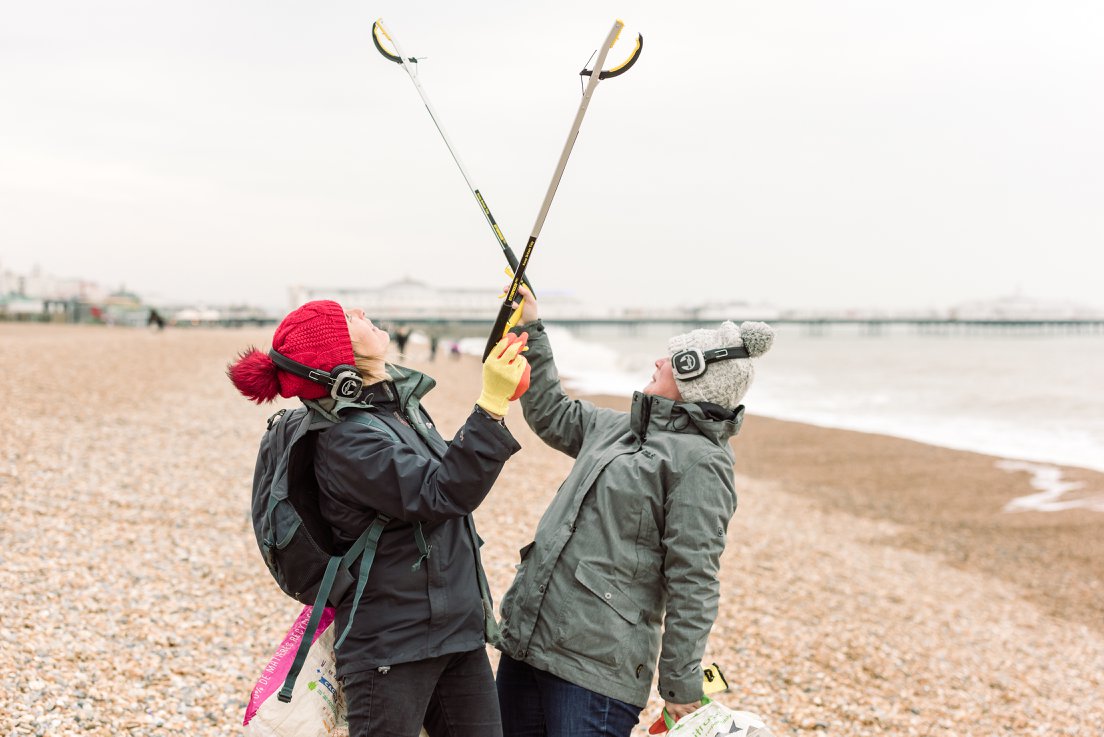
Many people find littering unacceptable and want to do something about it. Keep Britain Tidy encourage the public to get involved and do their bit to tackle the problem of litter. One way you can do this is to register with the Big Tidy Up at www.thebigtidyup.org and organise a litter pick in your local community. You can also sign up as a Keep Britain Tidy supporter and show that you are committed to tackling the issue of litter or put up one of our posters locally.
 
If you are with someone you know and they drop litter you may feel safe telling them that they shouldn’t. However, if you see someone dropping litter that you don’t know it is important not to confront them if you think that your personal safety might be at risk. Police Officers or litter wardens are empowered and trained to deal with offenders. If you have information about a littering incident you could report it to the police, the local council or a litter warden, but it is up to them to decide whether they wished to proceed any further. Whilst it is possible to take a private prosecution, it would be at a person’s own expense and you will need strong evidence to prove your case in court.